

Advanced Astrophotography: Conquering Summer's Toughest Nebulae with the DWARF Telescope
Featuring stunning community captures from our Milky Way Challenge targets 11-21, we break down the real-world techniques you can use to improve your own deep-sky imaging.

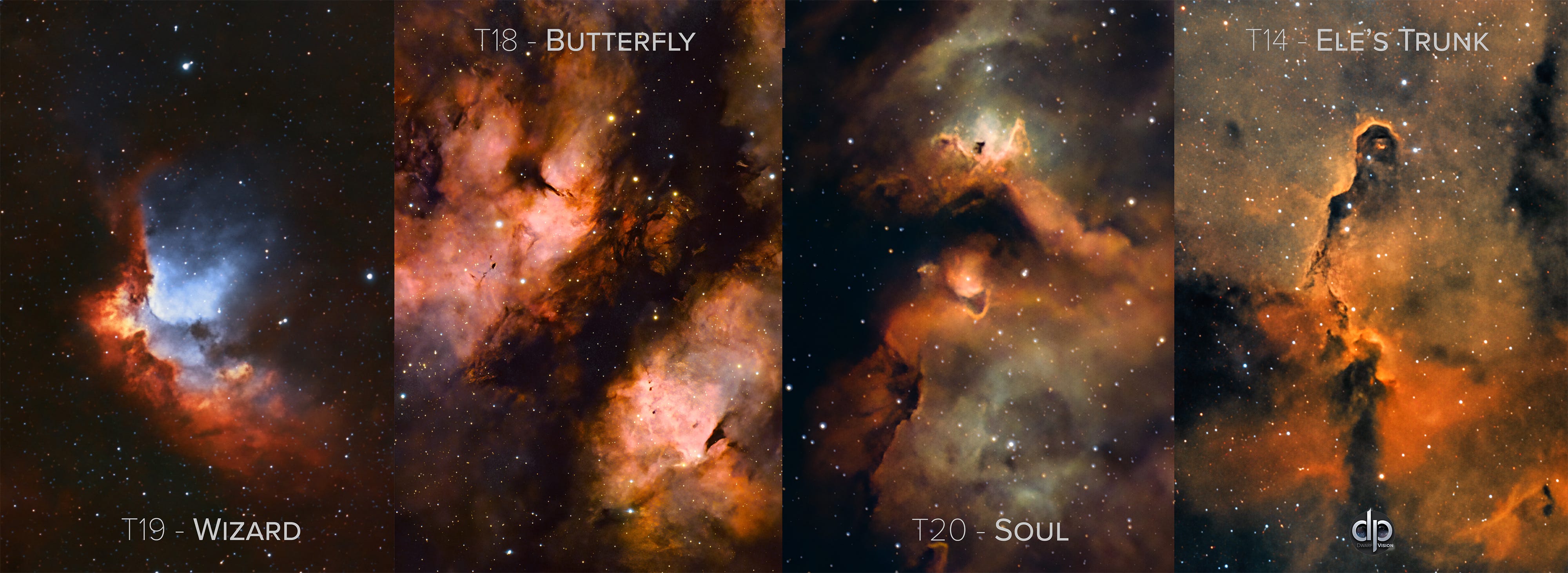
Ever wonder what the DWARF telescope is truly capable of? Beyond the marketing and the first-night snapshots lies a world of deep, stunning astrophotography. For the past few months, the DwarfVision community has been on a quest to explore that world, and the results have been nothing of spectacular. This isn’t just a gallery. It’s a look under the hood at the techniques, the perseverance of our challengers, and the strategies that separate a good image from a great one. If you want to take your own astrophotography to the next level, this is for you.
Want to join the next adventure?
This is the kind of work our community produces every day, and we are right there with them with tips and ideas to make the best shot!. The next challenge starts this winter. Join our free newsletter to get the announcement and more tutorials like this one.
A selection of the stunning images captured by the DwarfVision community. This article breaks down the techniques used to achieve these real-world results.
For context, these incredible images are part of our epic DwarfVision Summer Milky Way Challenge, a community-wide quest to capture some of the season’s most iconic deep-sky objects. This post celebrates the second half of that journey, showcasing the stunning results from the more advanced and challenging targets (11-21). You can see the full target list and learn more on our official challenge page!
Case Study #1: The Power of Perseverance
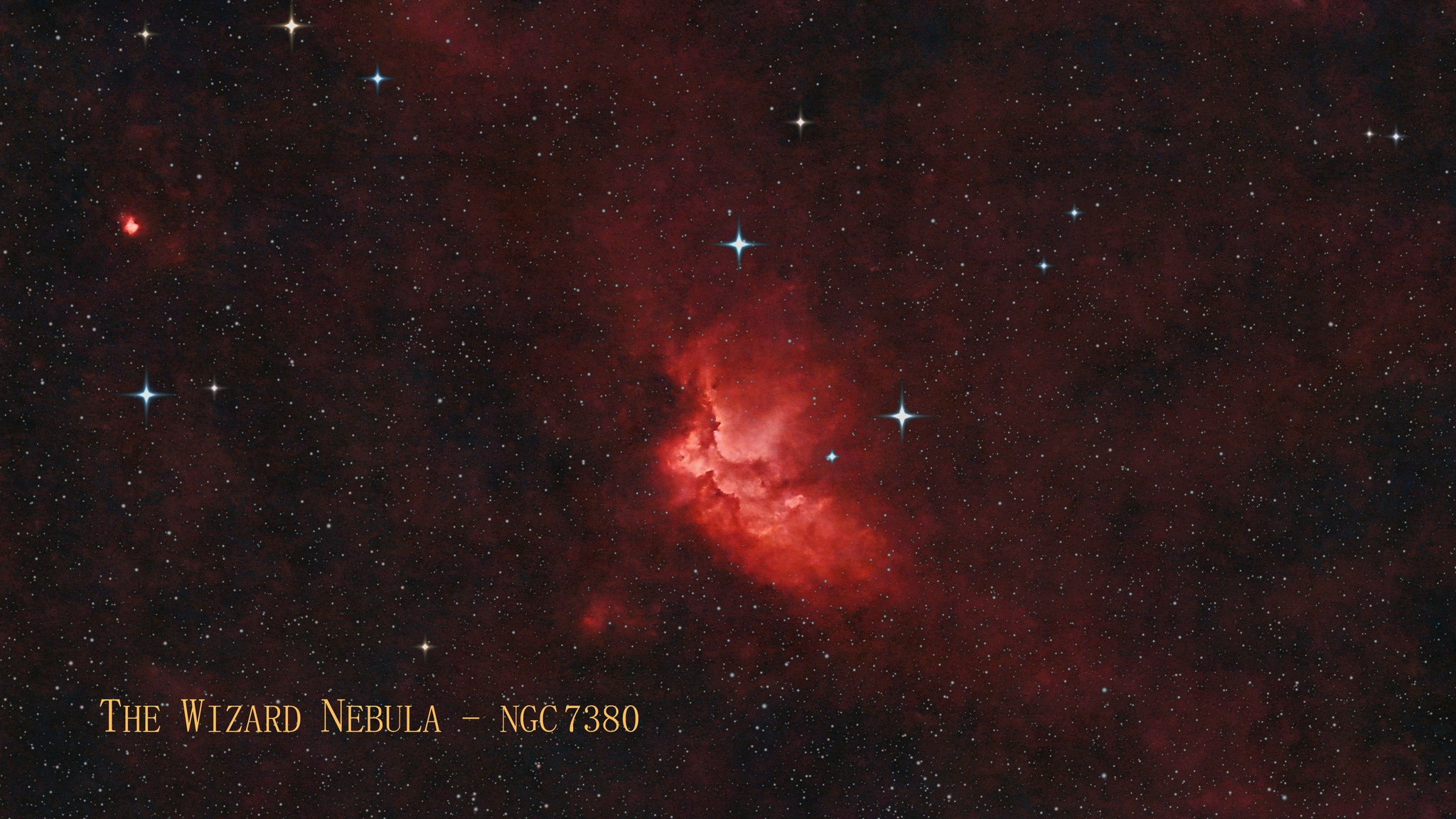
The Target: The Wizard Nebula (NGC 7380) by Antoine Weis
The Lesson: In astrophotography, deep data is the foundation of a great image. This breathtaking result wasn’t from one good night; it was a “megastack” of 7 hours and 8 minutes of data. Antoine noted that only with this extensive integration time did the wizard’s face finally reveal itself. However, data is just the starting point. This image also showcases a distinct artistic flair, using a rich color palette and careful processing to create a dramatic final portrait. It’s a perfect blend of technical perseverance and creative vision.
Case Study #2: Overcoming the Obstacles
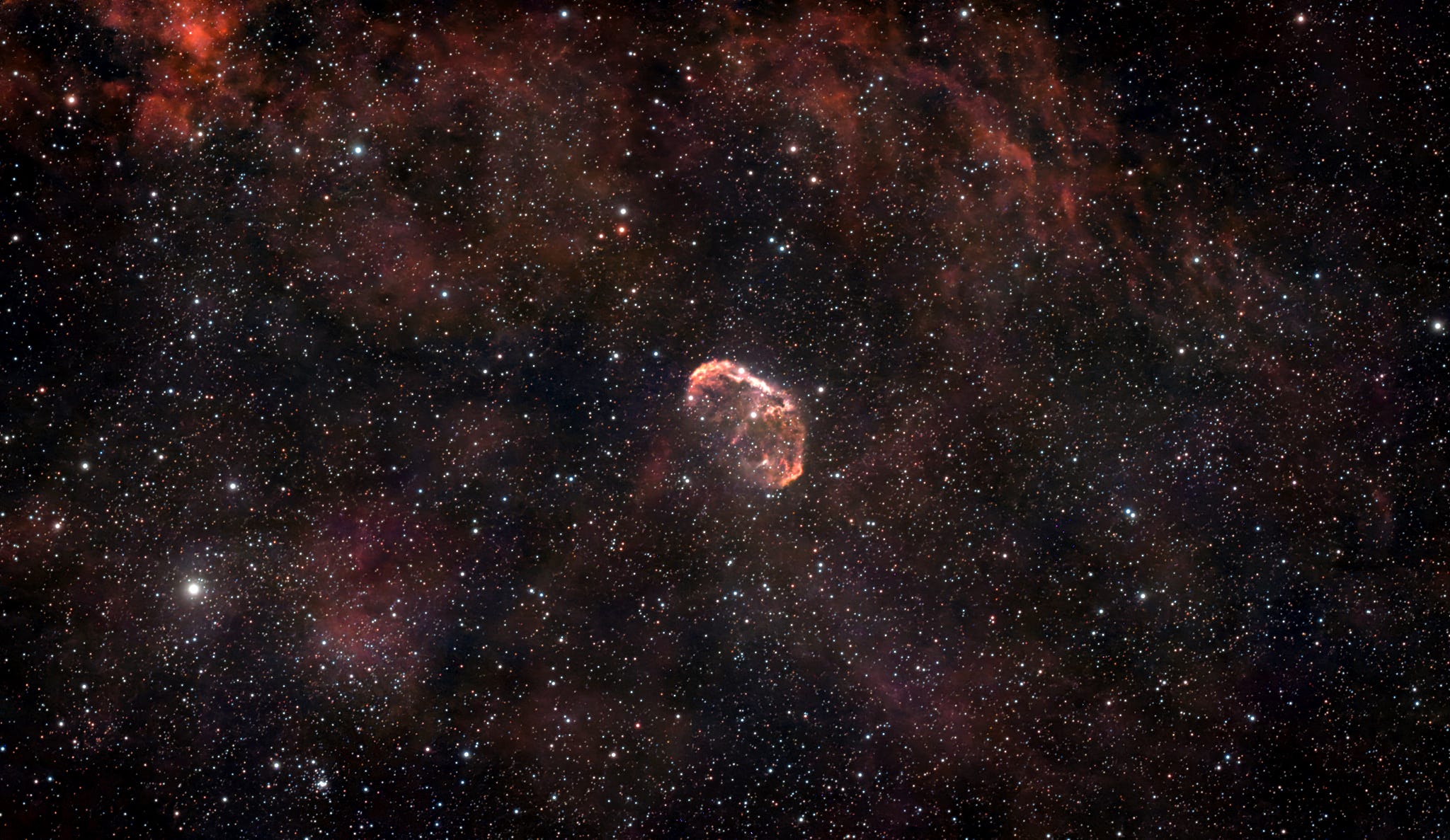
The Target: The Crescent Nebula (NGC 6888) by Christopher Jones
The Lesson: This case study is a masterclass in maximizing opportunity. The session was cut short by clouds and wind after just one hour, yet the final image is packed with sharp stars and an amazing amount of faint detail. This was possible for two key reasons: first, excellent focus and clear seeing conditions ensured the data captured in that short window was of the highest quality. Second, the entire image was then processed on a mobile device using apps like Stellar Studio and Photoshop Express. It’s a powerful reminder that great results come from seizing moments of clear sky—a key advantage of the DWARF’s super-fast setup time—and that creativity in processing can triumph over a short imaging session.
Case Study #3: The Art of Advanced Processing
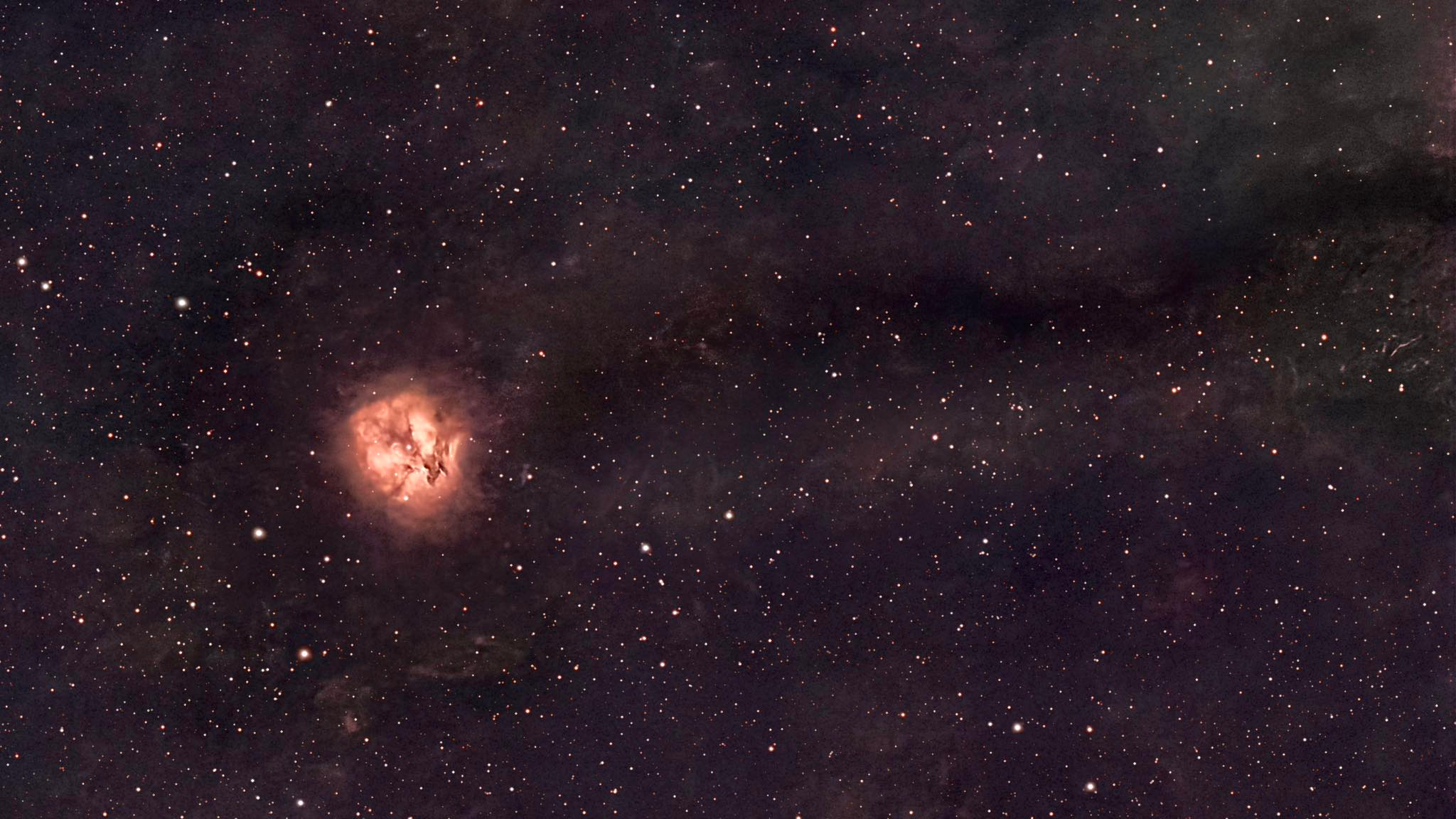
The Target: The Cocoon Nebula (IC 5146) by Jaume Benet
The Lesson: A great astrophoto is a partnership between excellent data and powerful processing. While the DWARF scope provides a fantastic starting point, this image demonstrates how professional-grade software can elevate those results to a new level. Jaume Benet’s 5-hour and 48-minute exposure focused on preserving the faint, dark nebula (Barnard 168). The real magic happened in PixInsight and Photoshop—top-tier processing tools that allow an artist to skillfully bring out subtle, challenging details and truly transform a great capture into a spectacular final image.
Case Study #4: Defeating the Full Moon
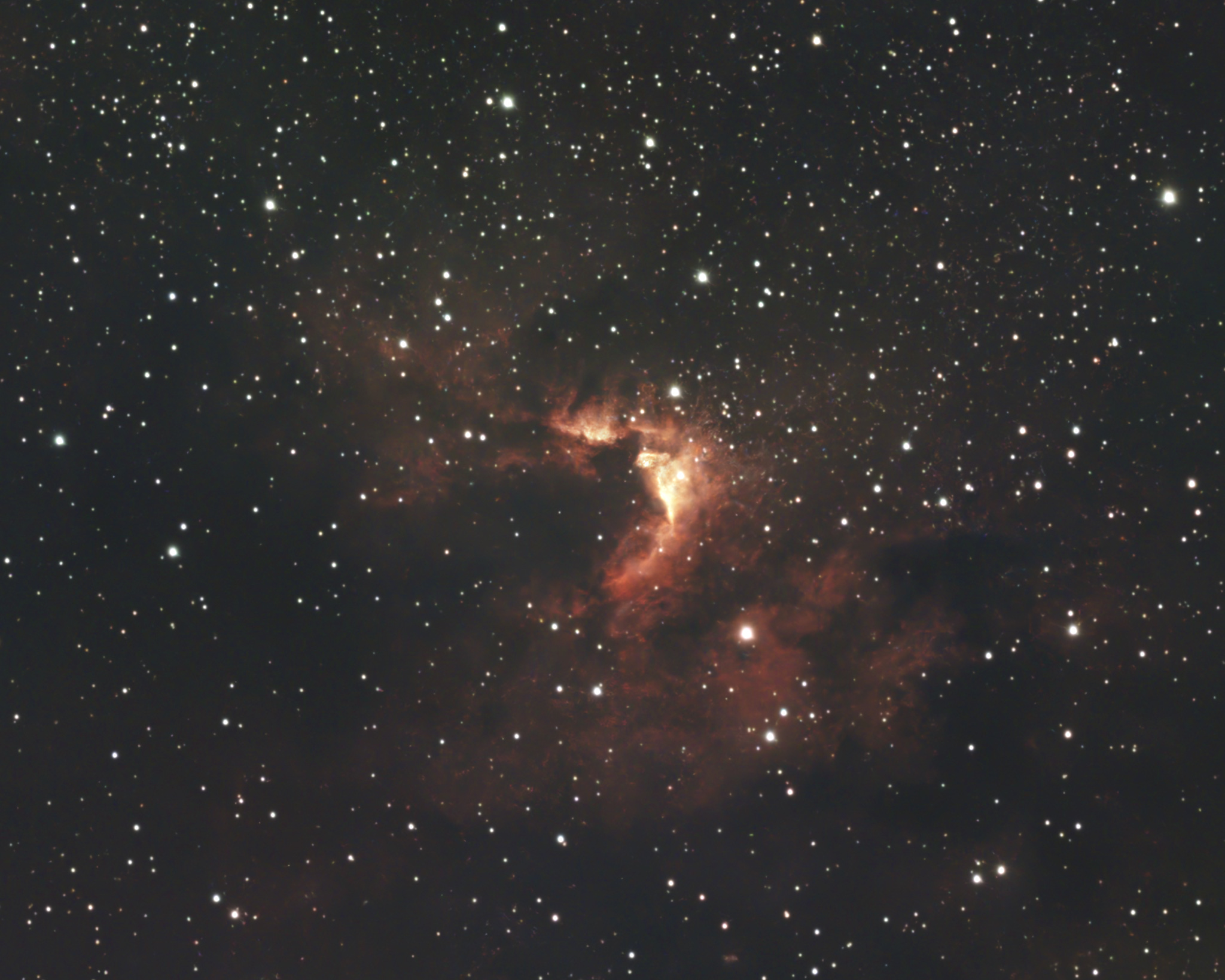
The Target: The Cave Nebula (Sh2-155) by Chayiana Morgan
The Lesson: Normally, a full moon is a deal-breaker for faint nebulae, washing out the sky and hiding delicate details. This image proves that with the right equipment, you don’t have to lose half the month to the lunar cycle. Chayiana Morgan captured this stunning 2.5-hour exposure of the faint Cave Nebula during a full moon by using a specialized SvBony 220 dual-band filter. This filter isolates the specific wavelengths of light emitted by the nebula while blocking the broad-spectrum moonlight, allowing the target’s signal to shine through. It’s a perfect demonstration of how a key accessory can dramatically expand the DWARF’s capabilities, turning previously “unshootable” nights into productive imaging sessions.
The DwarfVision Hall of Fame
The incredible work from our challengers is the heart of our community. Below is the current leaderboard and a showcase of more amazing talent. Plus our full growing gallery of incredible shots:

More incredible captures from our challengers:


Left: Del’s Astro Channel - Elephant’s Trunk Nebula A 9-hour and 45-minute epic captured over four separate nights.
Right: Bob Symonds - The Veil Nebula A beautiful two-part mosaic with stars reduced to showcase the nebula’s delicate structure.


Left: Michael Sullivan - The Bubble Nebula A gorgeous 4-hour wide-field shot that also captures its cosmic neighbors, M52 and NGC 7538.
Right: Martin Jordan - The Iris Nebula A vibrant 5-hour exposure that perfectly captures the brilliant blue—and a bonus meteor!


Left: Sergio Fattorini - The Butterfly Nebula A beautiful mosaic of the Sadr Region, capturing the two bright, wing-like lobes.
Right: Les Scott - The Heart Nebula A classic one-hour exposure that beautifully renders the iconic shape of this vast stellar nursery.


Left: Nancy Schwartz - The Heart & Soul Nebulae A sweeping two-panel mosaic capturing the full grandeur of this star-forming complex.
Right: Antoine Weis - The Teddybear Nebula A deep 3.5-hour wildcard exposure that reveals spectacular, pillar-like structures.
Your Turn to Join the Ranks
The Summer Challenge ends in mid-October, and every finisher with 30 DSOs gets exclusive DWARFLAB merchandise! There is still time to get on the board.
For everyone else, our Winter Challenge will be announced in the coming months. Subscribe to our free newsletter to ensure you don’t miss it.
Coming Soon from DwarfVision:
Your Guide to the October Sky: The top targets and events you won’t want to miss in our monthly SkyGuide.
Comet Hunting! A special guide to this month’s best comets and a tutorial on how to process them in SIRIL.
Fixing D3 Frustrations: A deep dive into the 5 most common mistakes DWARF 3 users make and how to solve them.
M42 ExplorerClass: Get ready for a deep dive into the incredible Orion Nebula. Avoid common processing pitfalls, and we’ll be providing a full, raw data set and ready to process raw images for all subscribers to practice on!
Clear Skies!
From Duncan & DwarfVision