

DATACLUB: Ascending the Eagle's Domain - Deep Sky Gems of the Rift - Part 3
Pierce the Galactic Dust: An Exclusive DATACLUB Drop - Our raw files from the Rift, Plus Master RC Astro's 'AutoStretch vs. Linear' Processing.

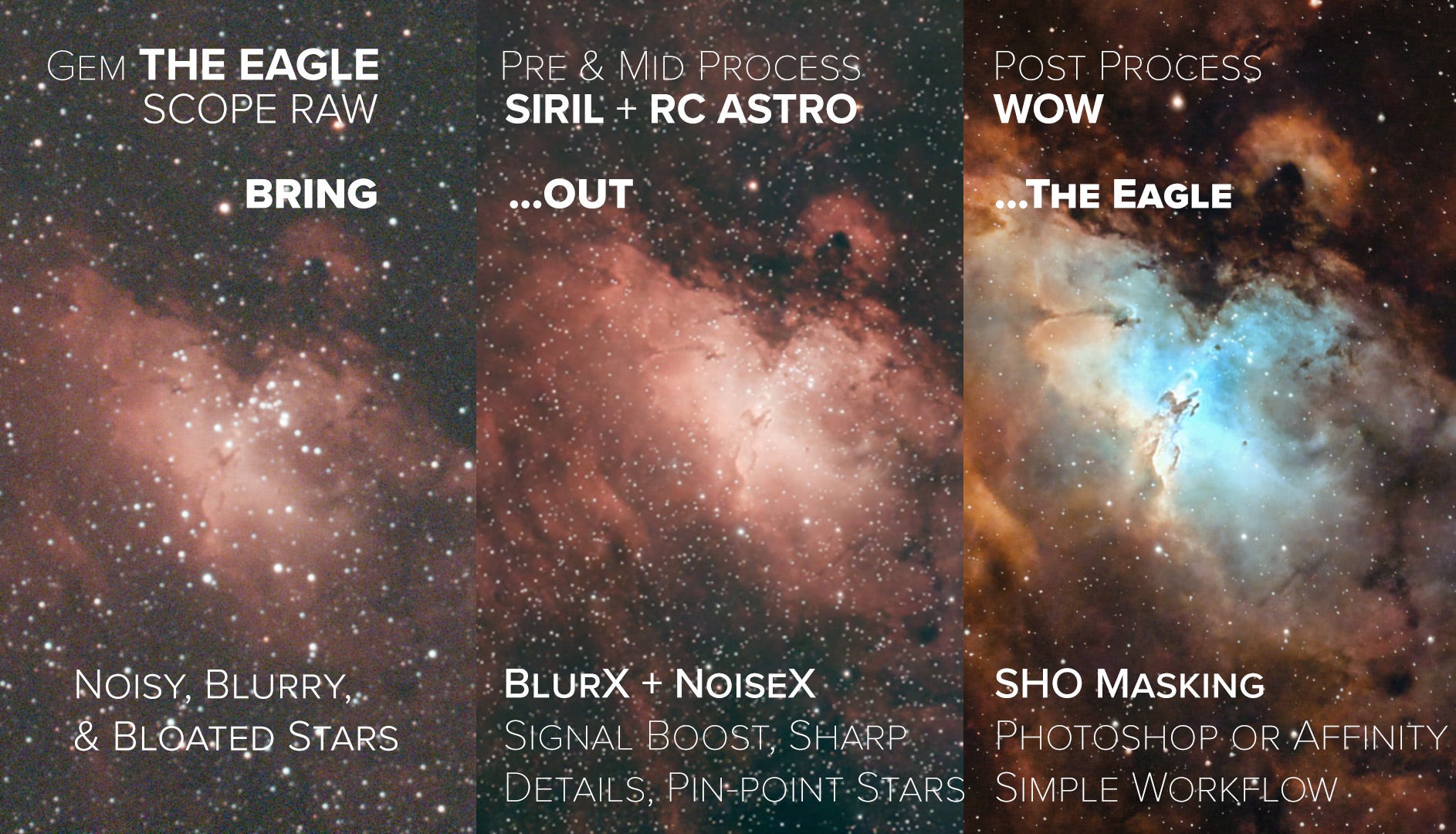
Our RigSlayer workflow in action: Transforming noisy, 30mm raw data into Hubble-palette masterpieces using our disciplined processing.
We have traveled from the dark, freezing molecular dust of the Dark River straight through the low-extinction windows of the Sagittarius arm. Yet our journey through the Great Rift is not merely a flat tour; it is a profound ascent.
When you aim your DWARF scope north from the Lagoon and Trifid, you are looking directly up the dense, star-forming spine of our local spiral arm. You are moving from isolated pockets of nebulosity into massive, chaotic stellar nurseries that are actively pushing back against the crushing weight of galactic dust. The light hitting your sensor has traveled thousands of years to tell the story of creation and destruction on a cosmic scale.
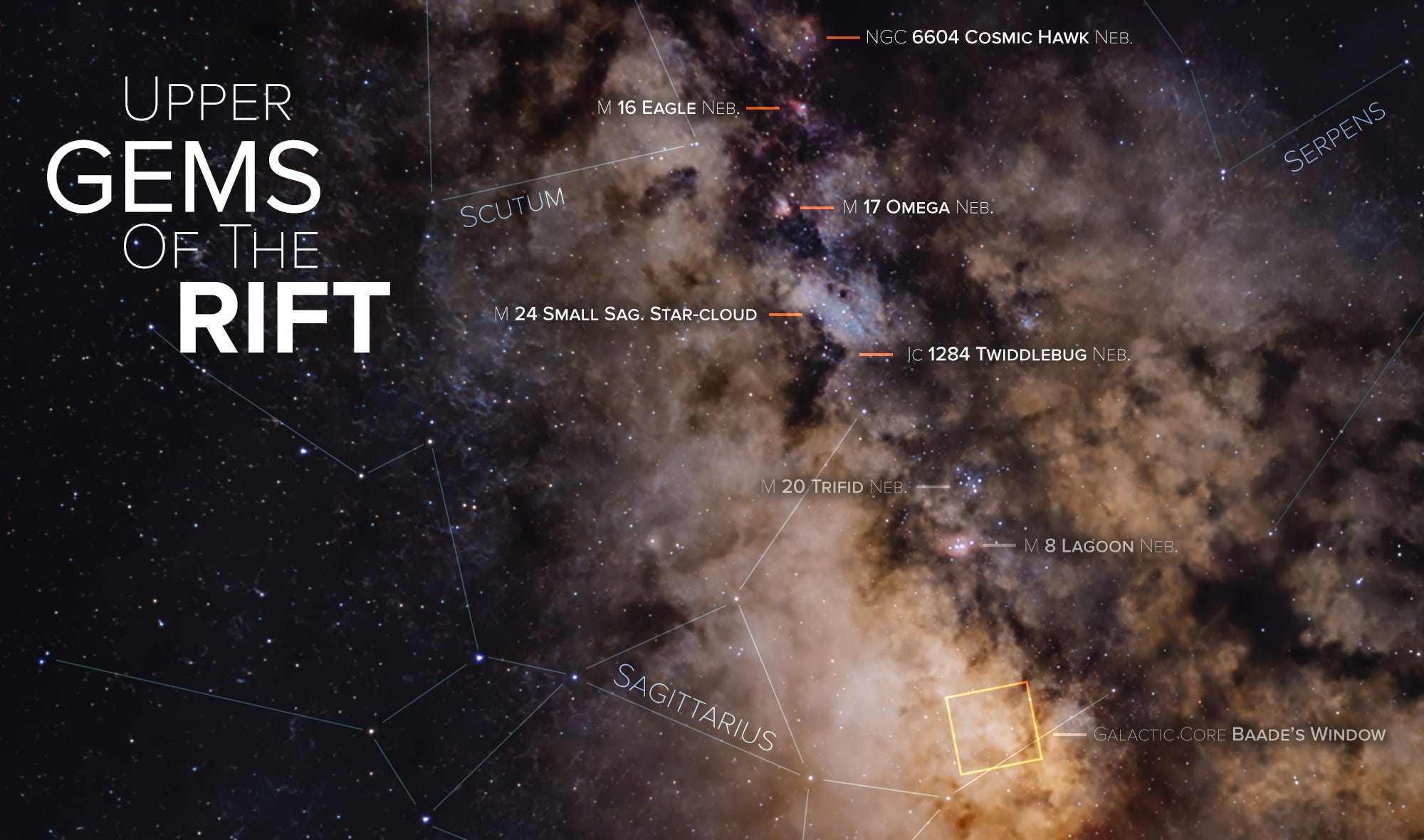
In this grand finale of our Rift series, we will push our smart scopes to their limits, proving once again that a pocket-sized telescope and disciplined processing can match the performance of a much larger, more expensive rig.
Here are the final deep-sky jewels of the Rift, culminating in our largest DATACLUB file drop in DwarfVision's history.
CREW - Scroll Down for Access
T9 & T10: The Twiddlebug Nebula (IC 1284 / Sh2-37) & The Small Sagittarius Star Cloud (M 24)
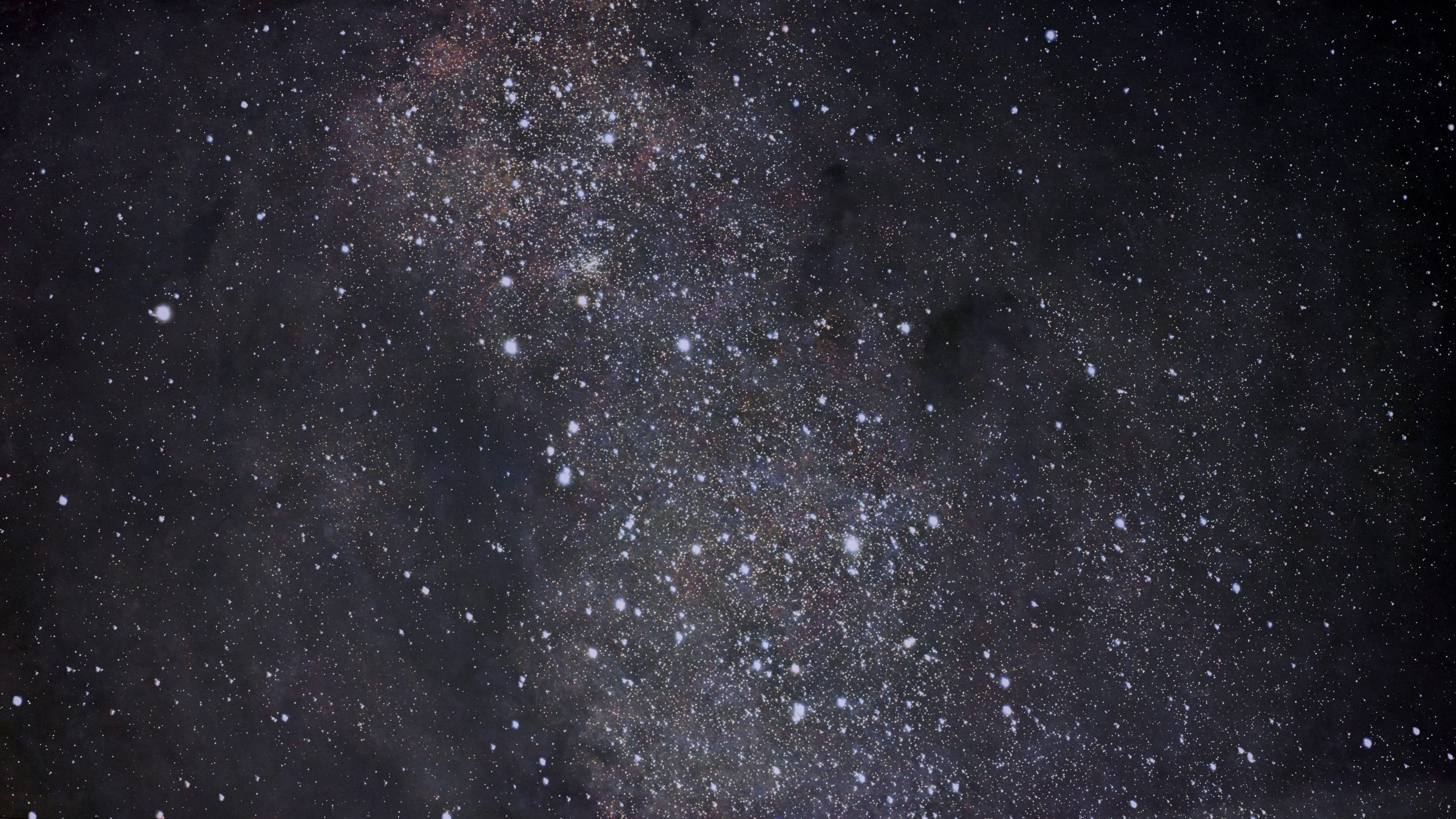
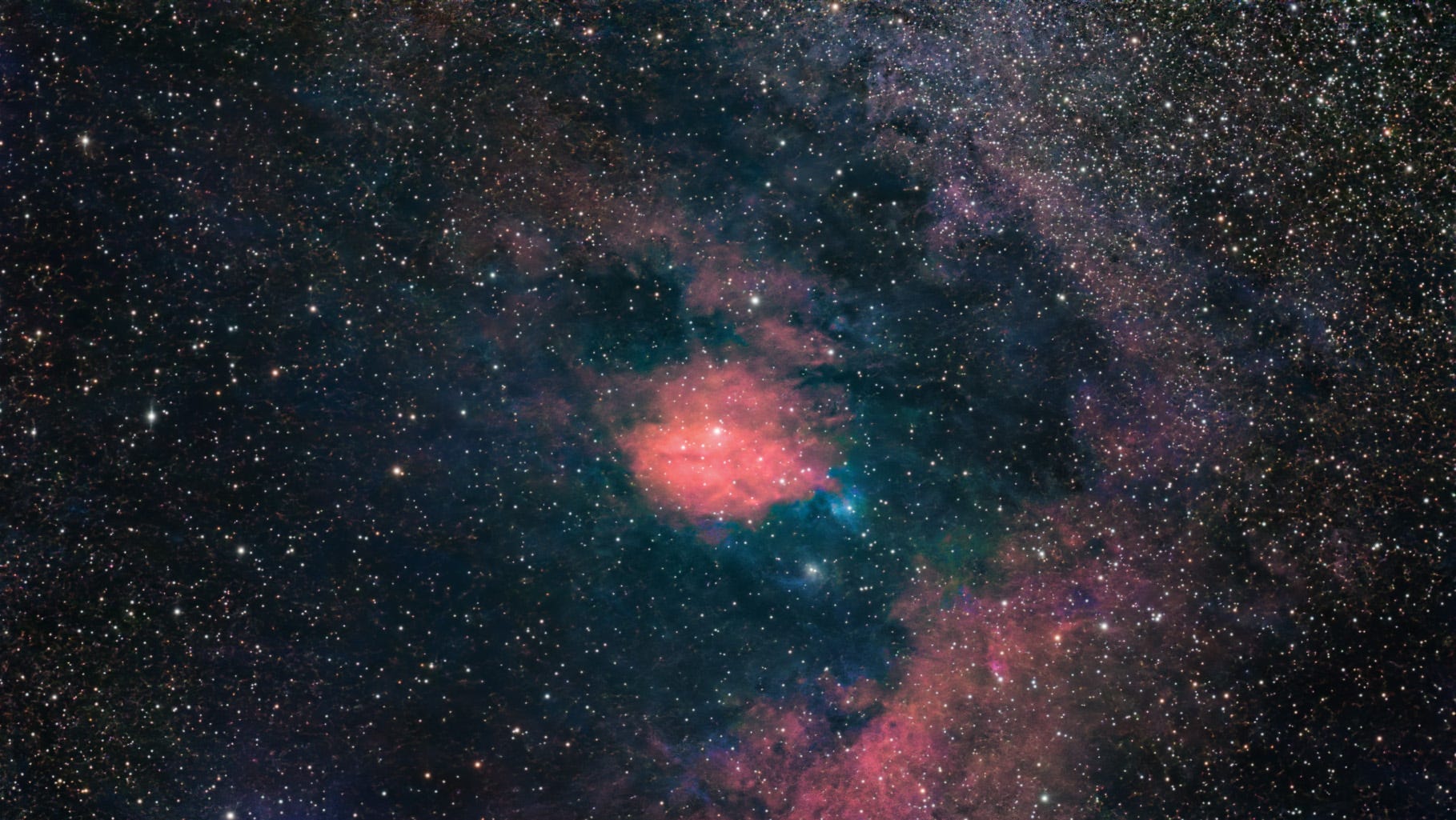
Just a short hop north from the Lagoon lies the Twiddlebug Nebula (IC 1284 / Sh2-37), a chaotic, 5,000-light-year-distant collision of cosmic physics.
Unlike the vast, open chambers of other targets, Twiddlebug is a fractured mosaic. Energetic young stars violently ionize their crimson hydrogen emission pockets, while adjacent dust grains scatter blue starlight into vibrant reflection nebulae. Slicing directly through this colorful boundary are the cold, opaque molecular dust filaments of the Great Rift, choking out the background starlight.
Continuing north, this thick foreground curtain abruptly parts to reveal the Small Sagittarius Star Cloud (Messier 24). M24 is not a true star cluster, but rather a colossal, 600-light-year-wide “tunnel” running cleanly through the galactic dust. This rare structural void allows your telescope’s sensor to pierce up to 16,000 light-years deep into the inner Norma and Scutum-Centaurus spiral arms. Bookended by the prominent dark silhouettes of Barnard 92 and 93, capturing M24 delivers millions of ancient, highly concentrated core-ward stars normally completely hidden from Earth’s view.
T11: The Swan / Omega Nebula (M17)
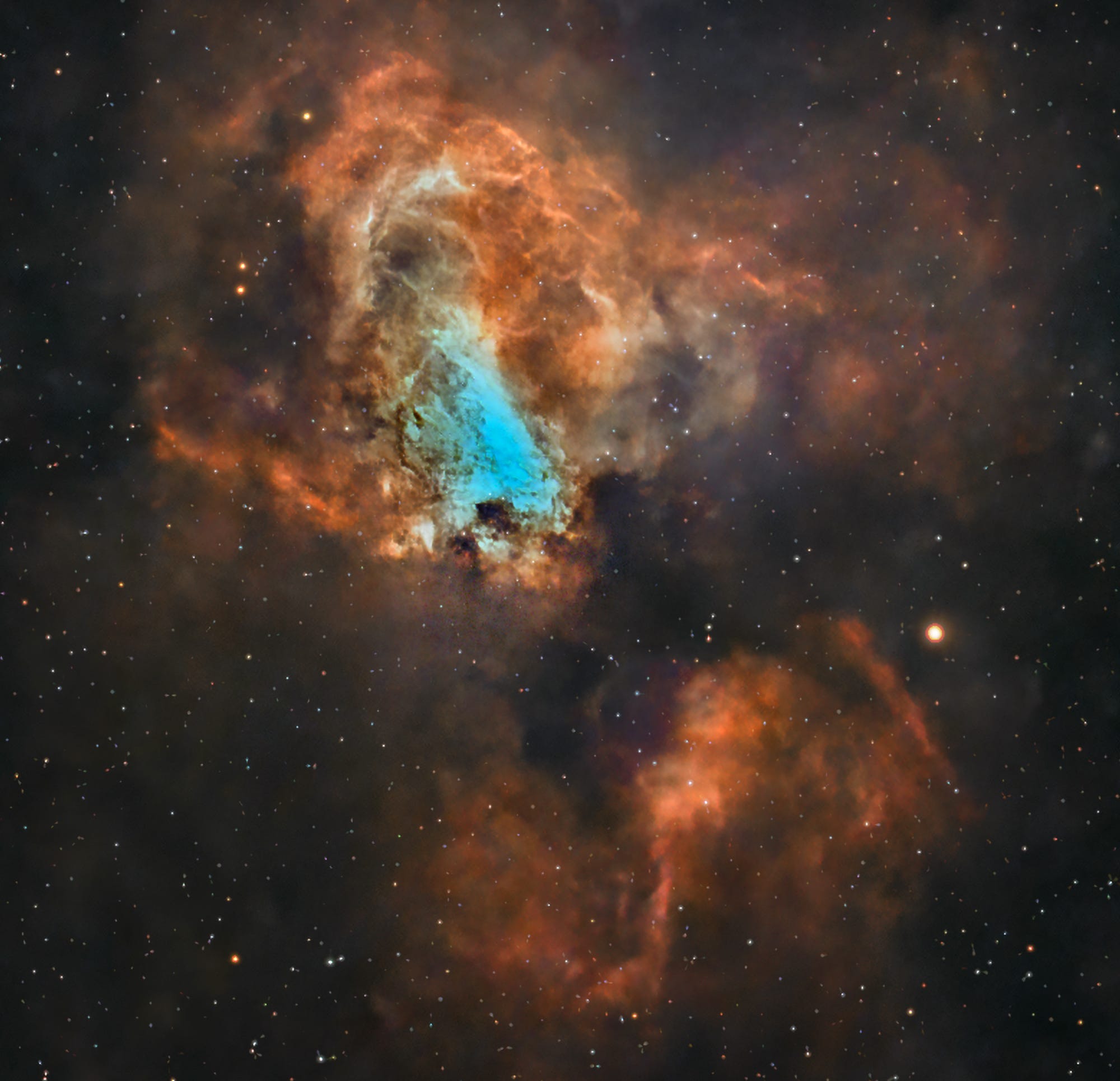
Leaving the window of M24, we plunge back into the thick molecular clouds to find Messier 17. Known as the Swan, the Omega, or the Horseshoe Nebula, this is one of the most blistering, high-energy H-alpha regions in our galaxy.
Located roughly 5,500 light-years away, the “body” of the Swan is a brilliantly illuminated pocket of hydrogen gas. The stellar engine powering this glow is an open cluster of incredibly young, massive stars (NGC 6618) hidden deep within the nebula’s core. The radiation here is so intense that it is actively eroding the surrounding cold molecular dust.
Because we view this system edge-on, we see the sharp, high-contrast ridges that give the nebula its distinct, avian shape. Capturing the Swan is a study in dynamic range, requiring careful processing to reveal the faint, sweeping neck without completely blowing out the blindingly bright core, while also revealing details in the dark swath of cold dust that cuts below the wing.
T12: The Eagle Nebula (M16) & The Pillars of Creation
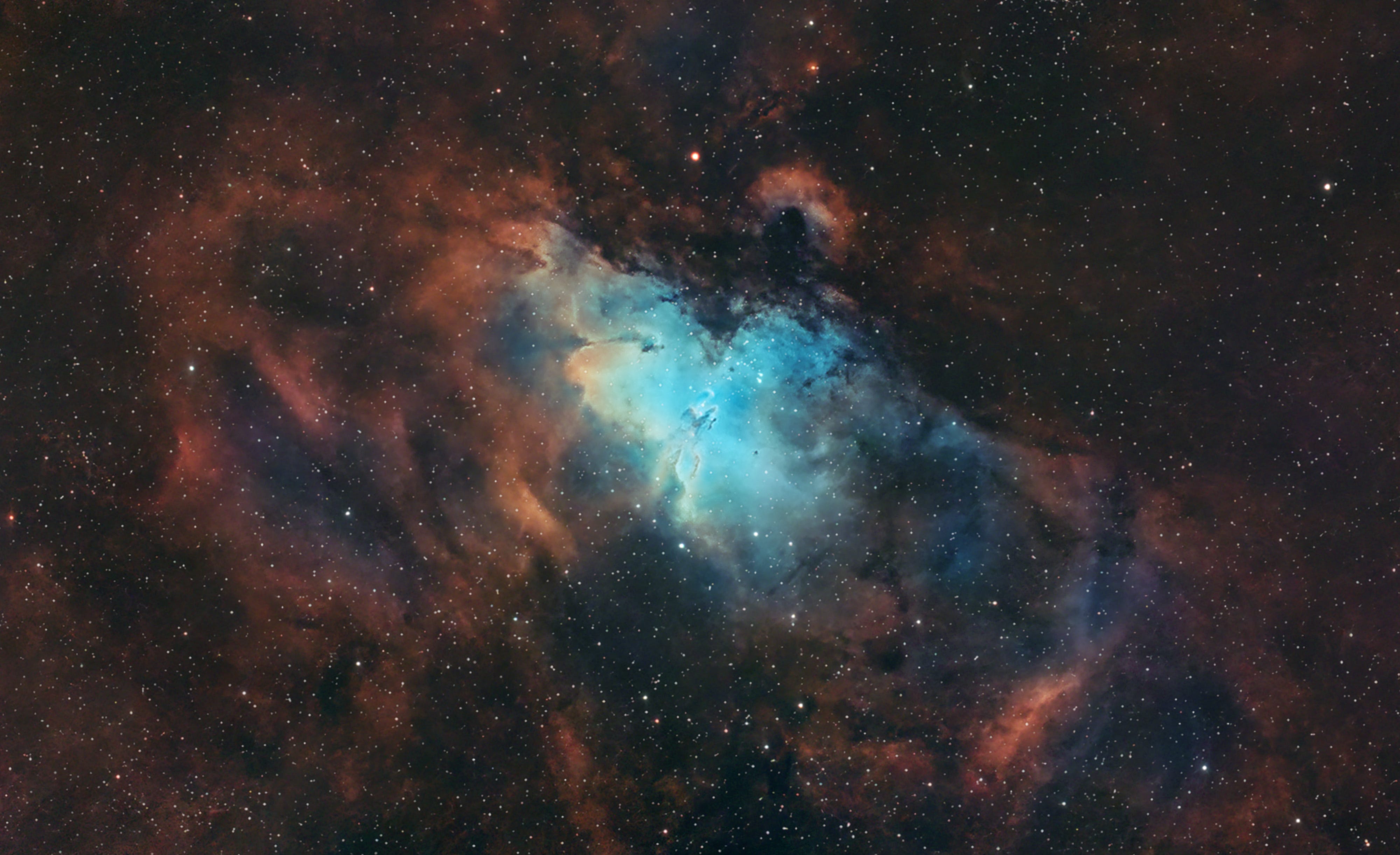
This is the iconic architect of the Rift. Located 7,000 light-years away, the Eagle Nebula (Messier 16) is a sprawling stellar nursery, but the true prize lies dead center: The Pillars of Creation.
These are not static monuments; they are actively being destroyed. A cluster of blisteringly hot O-type stars (NGC 6611) sits just above the structures, unleashing a torrential downpour of ultraviolet radiation that erodes the columns from the outside in. The glowing “halos” at the tips are the precise ionization fronts where freezing molecular dust boils away into the vacuum.
Capturing these light-year-tall structures with a smartscope’s lens is no small feat; it is satisfying to see the brutal, awe-inspiring scale of cosmic creation from our own backyards.
T13: The Scary Face Nebula (Sh2-54)
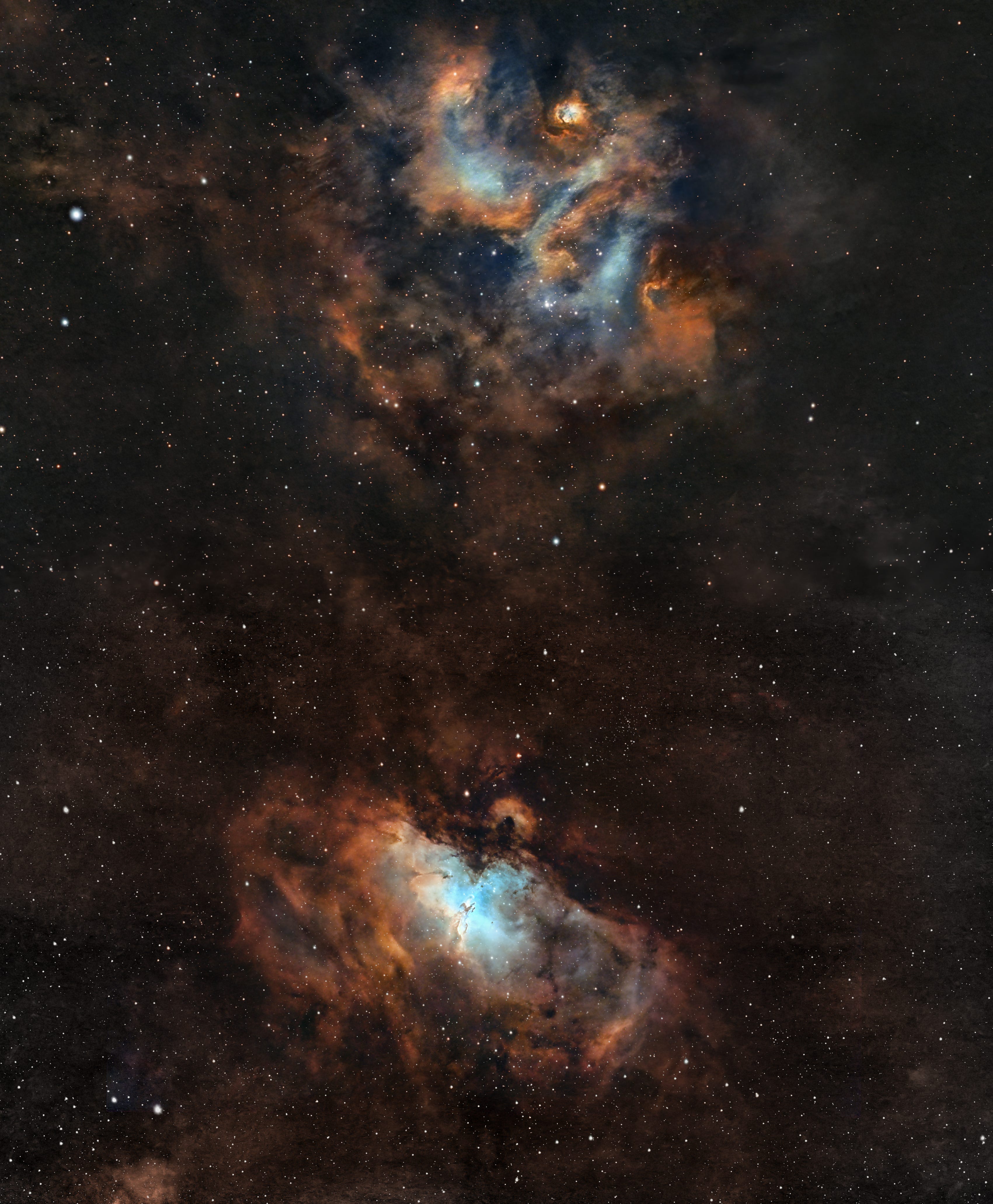
We cap our journey through the Rift with Sh2-54, an extended emission region forming the northernmost boundary of our tour. While part of the same massive molecular cloud complex that houses the Eagle and the Swan, Sh2-54 is structurally older and more diffuse.
Over millions of years, the stellar winds from its embedded stars have blown massive, chaotic bubbles directly through the gas. This process left behind a sprawling, textured central shell that—with a little imagination—looks like a haunting, skeletal face staring back from the void. Personally, I like the “Hawk” metaphor as a more fitting and matching appearance — especially when considering the “Eagle”.
The “Secret Sauce”: Mastering RC Astro’s Dual Nature
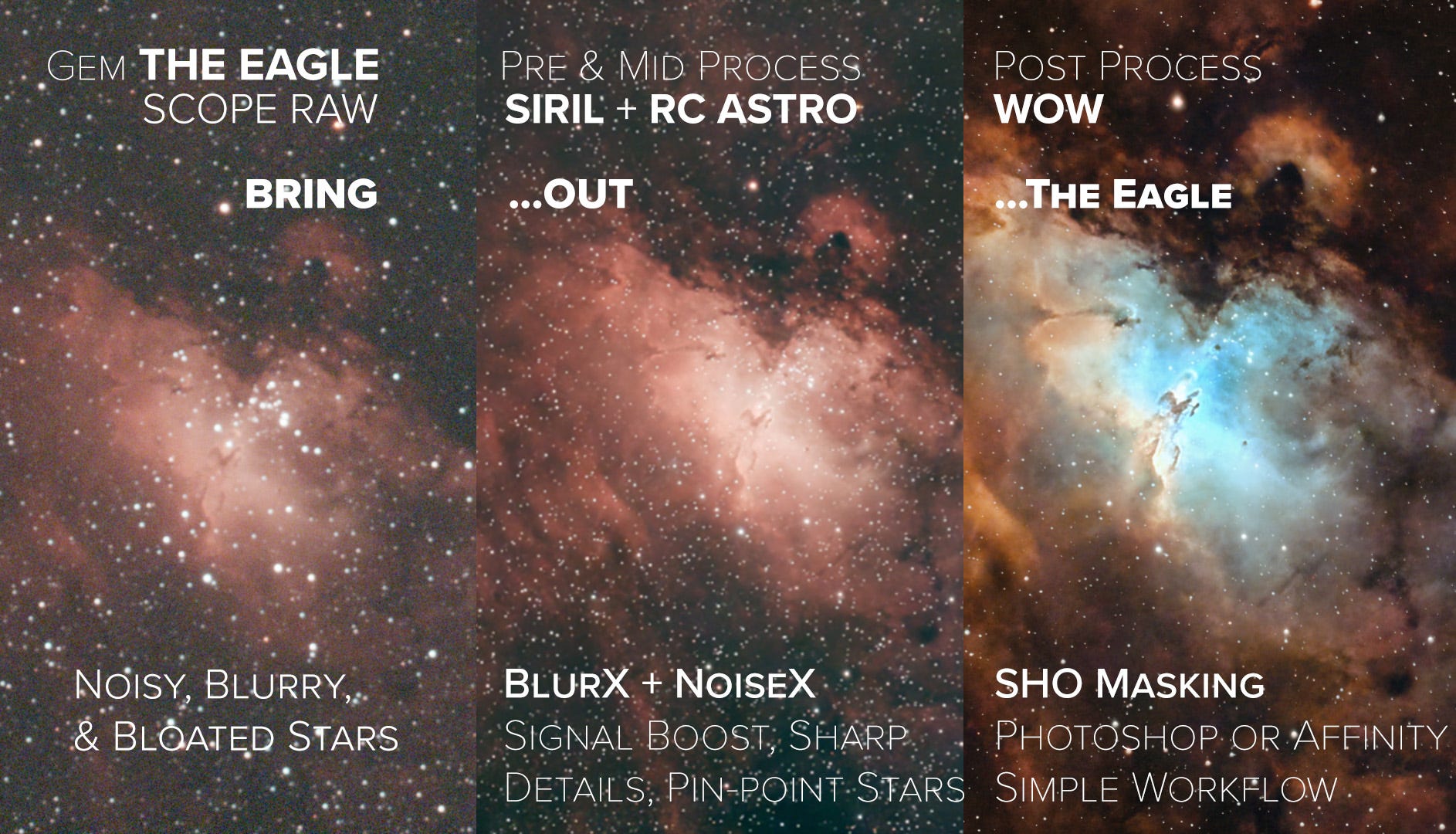
The universe doesn’t hand over its secrets easily. Look back up at the title image of this post. The image on the far left is the raw cosmic static your scope records; the image on the right is the profound reality hidden underneath, revealed through disciplined processing. You don’t need a $5K rig to achieve this—you just need some good tools and the right workflow!
To transform our data into something that rivals large-aperture telescopes, we rely heavily on tools like RC Astro’s BlurXTerminator and NoiseXTerminator in SIRIL. But when and how you apply the noise reduction changes everything.
1. The “AutoStretch” Trap (Signal + Detail Boost)
If you run NoiseXTerminator while your image is still linear but viewed in “AutoStretch” mode, the algorithm does not just remove noise. It aggressively boosts the signal. It forces faint details and nebulosity out of the dark. While this is excellent for revealing hidden, sprawling structures, it can aggressively alter your baseline data and blow out the bright cores of targets like the Swan or the Eagle.
2. The “Linear” Discipline (Pure Noise Removal)
If you run NoiseXTerminator again in pure Linear mode after applying your initial Histogram Transformation (and switching to “Linear Mode” in the bottom UI Strip), it acts purely as a surgeon. It removes the noise floor without applying any signal boost. This gives you absolute control over the nebula's smoothness and structural integrity.
Seeing NoiseX difference between the signal boost in “AutoStretch” and true noise removal in “Linear” is what gives your creation the master’s trick for getting the best from SIRIL.
The MEGA DATACLUB Drop: Practice the Void
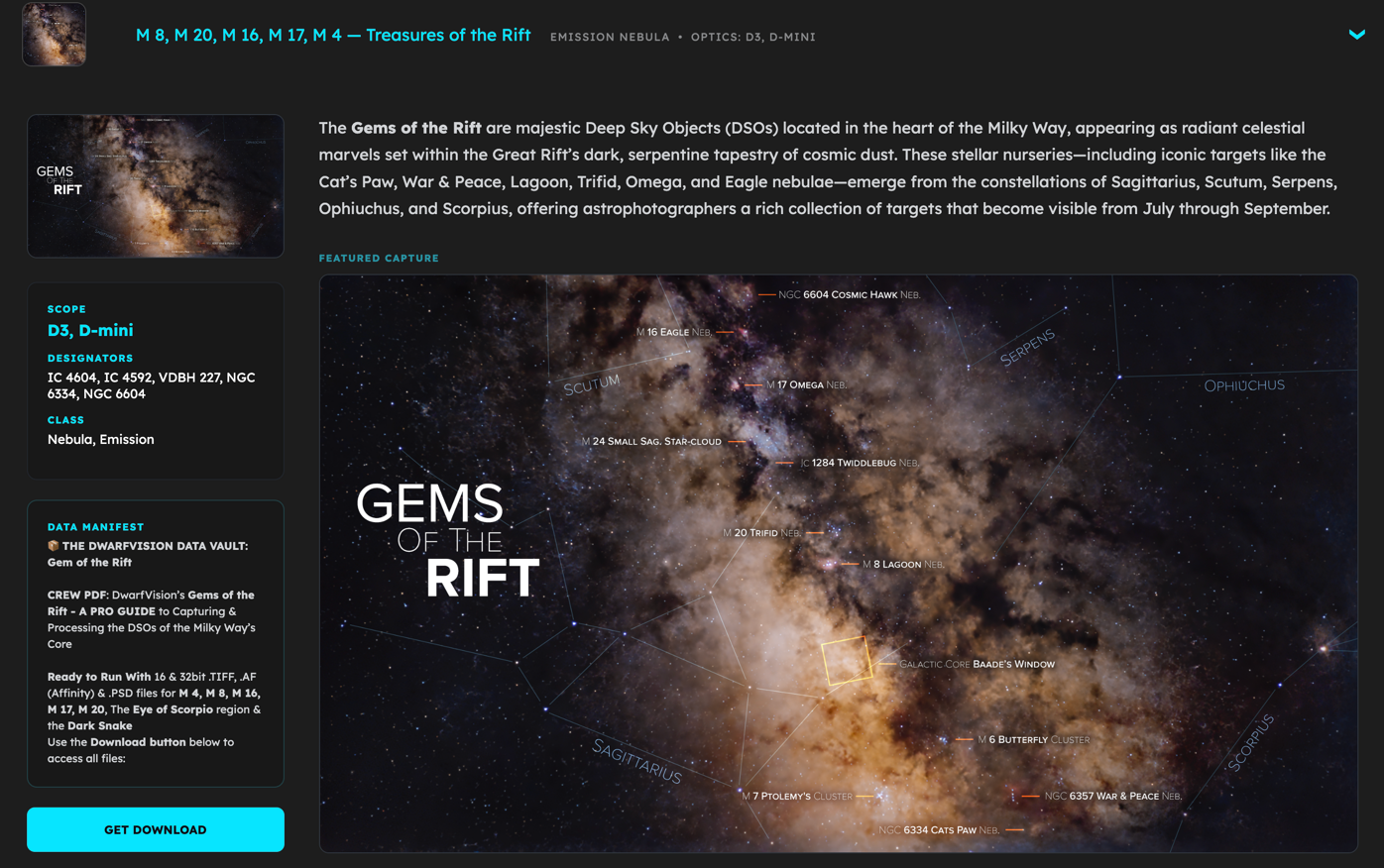
Are you ready to see this exact difference on your own screen?
To show exactly how this workflow operates, I am doing something unprecedented. I am uploading the entire catalog of DSOs from Parts 1, 2, and 3 of the Great Rift series (excluding the legacy M24) directly into the DATACLUB Vault.
This includes the raw and processed files for:
The Cat’s Paw & War and Peace Nebulae
The Rho Ophiuchi Complex & Blue Horsehead
The Trifid & Lagoon
The Swan, The Eagle, & The Scary Face
But here is the real gold: For every single target in this drop, I have included SIRIL-processed before-and-after .fit files run through RC Astro’s tools, with the results saved as 32-bit and 16-bit.TIFFS for you to check out and experiment with in your workflow.
Also, I include already post-processed files in Photoshop and/or Affinity so you can toggle between them and the layers and visually see exactly how the SHO color-adjustment layers behave. It is the ultimate sandbox to master your own SHO and post-processing techniques on premium, multi-hour datasets.
PRO GUIDES in the Drop
Included in the DATACLUB VAULT are both the Gems of the Rift Capture and Processing guide PDF + the RC-Astro Tools for SIRIL Guide PDF:
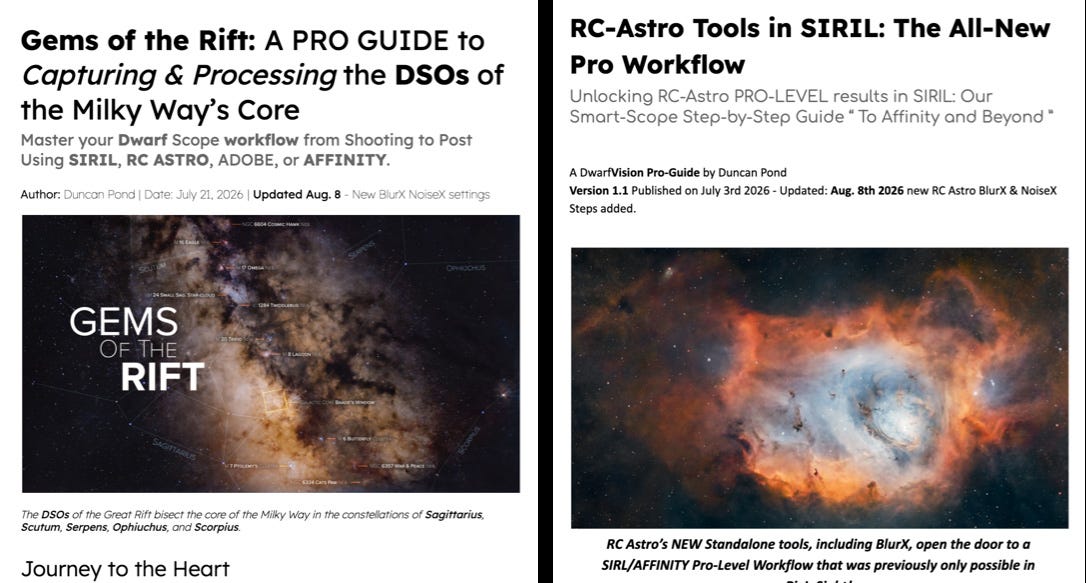
Ready to master your craft? Upgrade your subscription to join The CREW.
Once you do, your new “Subscriber Perks” tab will appear at the top of the site, unlocking instant, unrestricted access to the DATACLUB Vault, or scroll down to the bottom of this post. You can download all the raw FITS files, the specialized TIFFs, the layered Photoshop PSDs, and the PDF workflow. Just look for the “Get Download” button.
Let’s clear the static together.
Clear Skies and Happy DSO Hunting, Dwarfies!
Duncan
Founder of DwarfVision
